Vorax Breakout
Vorax Breakout is a turn-based roguelike developed in Unity as a master’s final project.
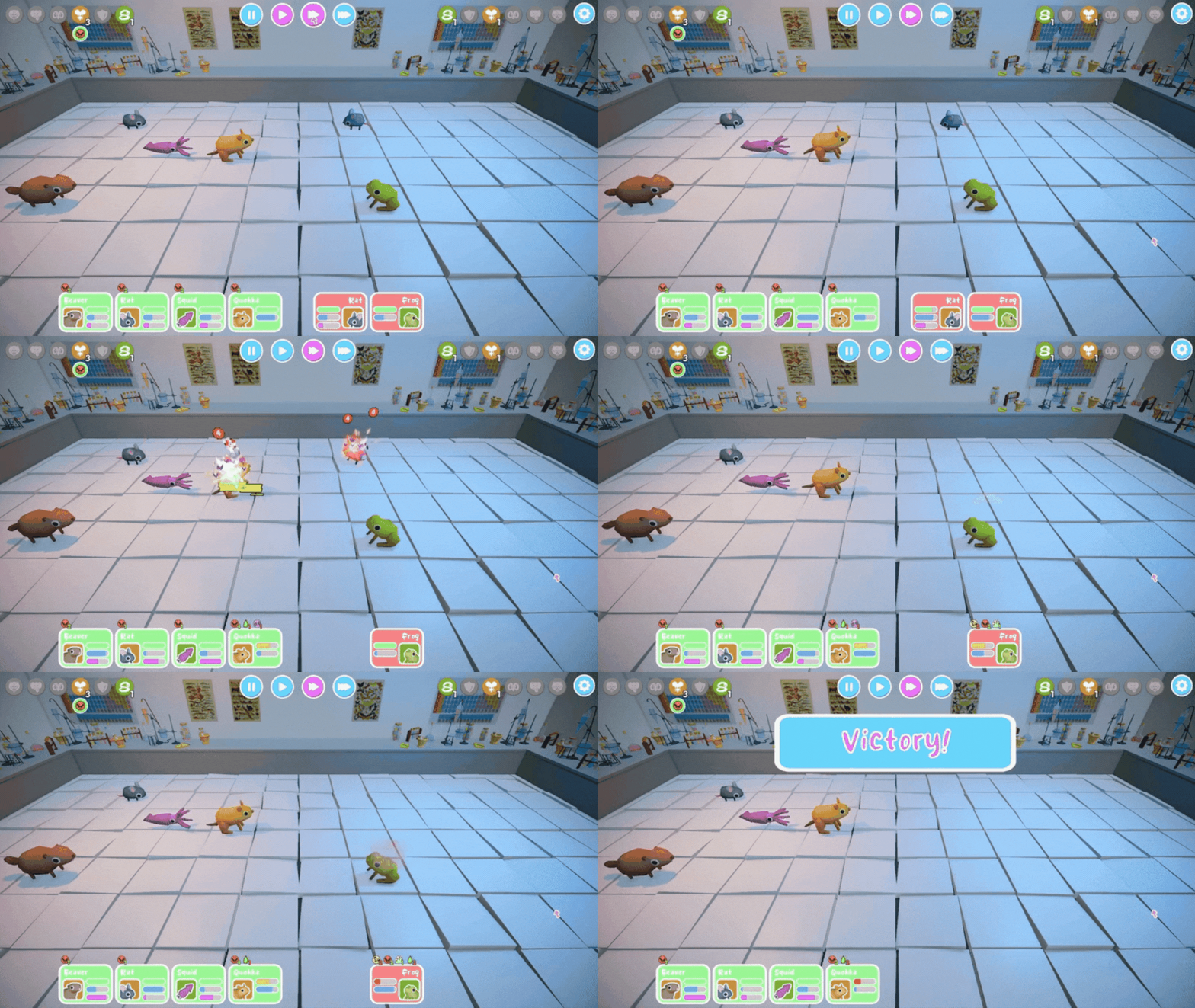
In Vorax Breakout, players manage teams of creatures (Vorax) with unique abilities, strategizing their placement and energy before each automated, round-based battle. The game features preparation, combat, and reward phases, offering tactical depth and replayability.
Project Context
Developed collaboratively as a master’s final project, the goal was to showcase advanced programming, design a modular, scalable architecture, and deliver a replayable demo ready for future features like node-based maps or asynchronous PvP.
The demo serves as a proof of concept for both strategic mechanics and modular content.
My Contributions
1. Modular Game Architecture
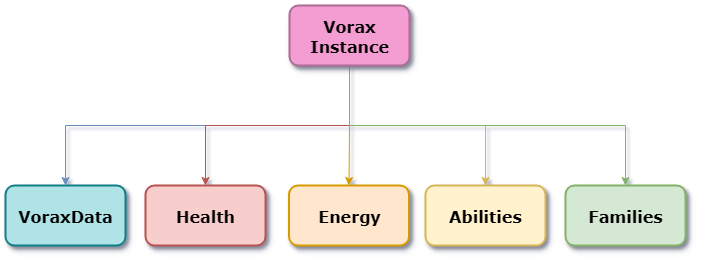
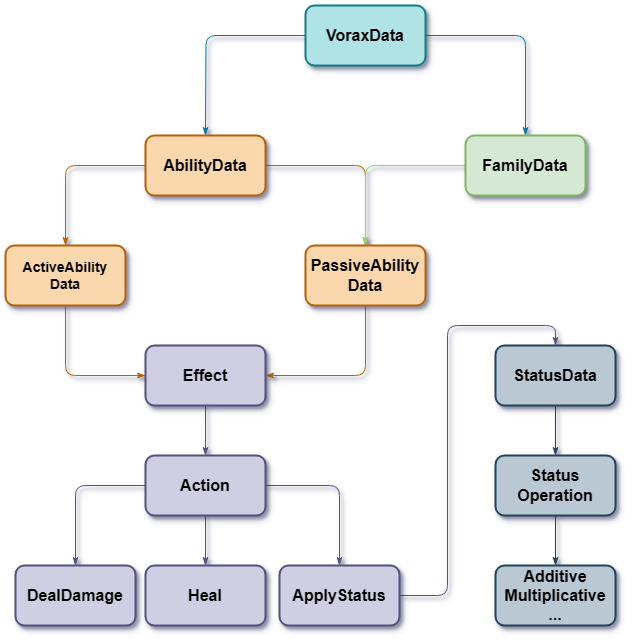
- Core systems built with Scriptable Objects, separating data from behavior.
- Easily add new creatures, abilities, or mechanics without touching the core code.
- Designed and implemented the attack priority system, which dynamically calculates the main target and affected targets based on multiple criteria (lane, HP, HP ratio, randomness, etc.).
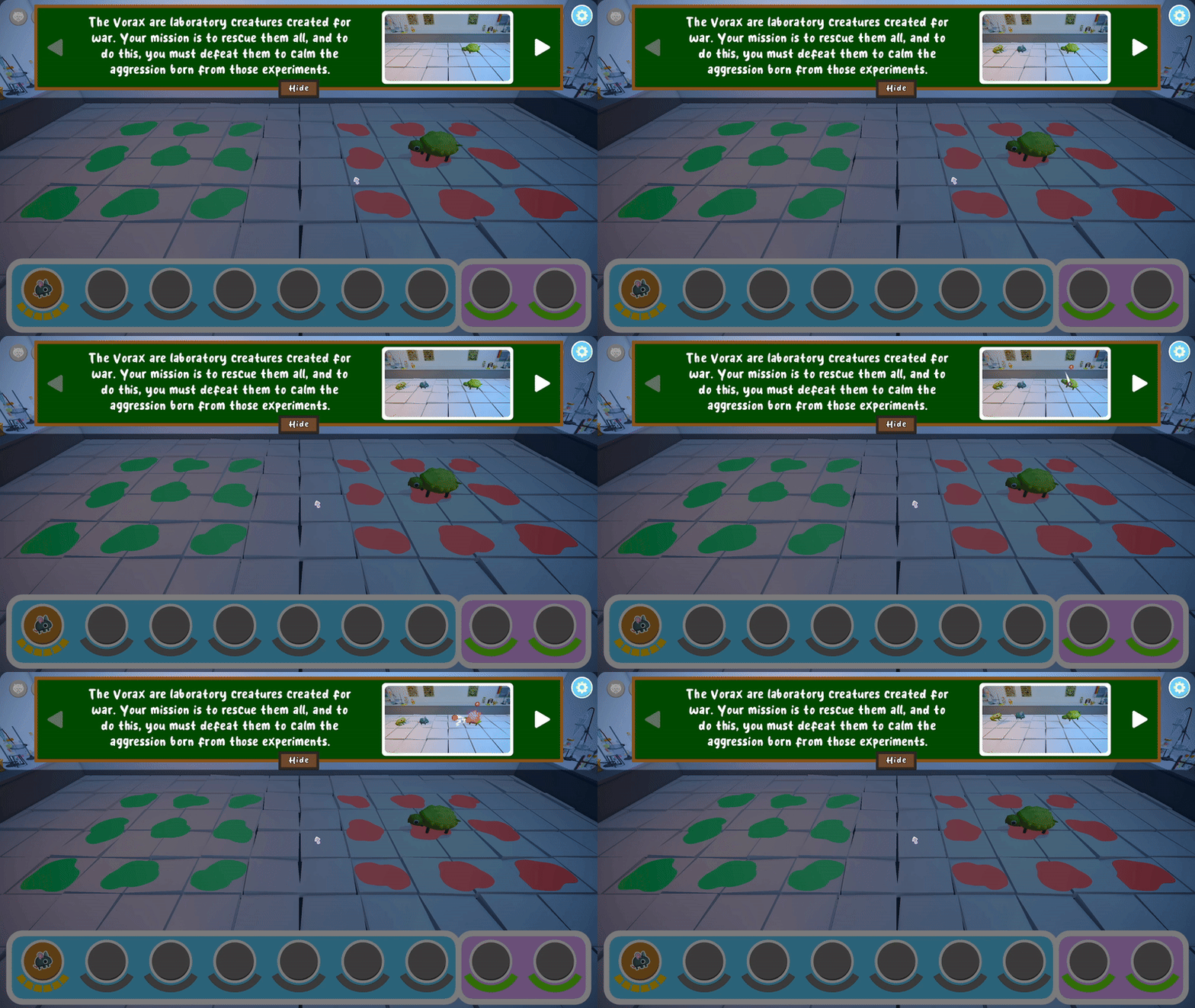
2. Interactive Tutorial
- Guided players step by step through mechanics.
- Highlighted UI and actions with tooltips and optional videos.
- Built modularly to support future additions.
Gameplay Snapshot
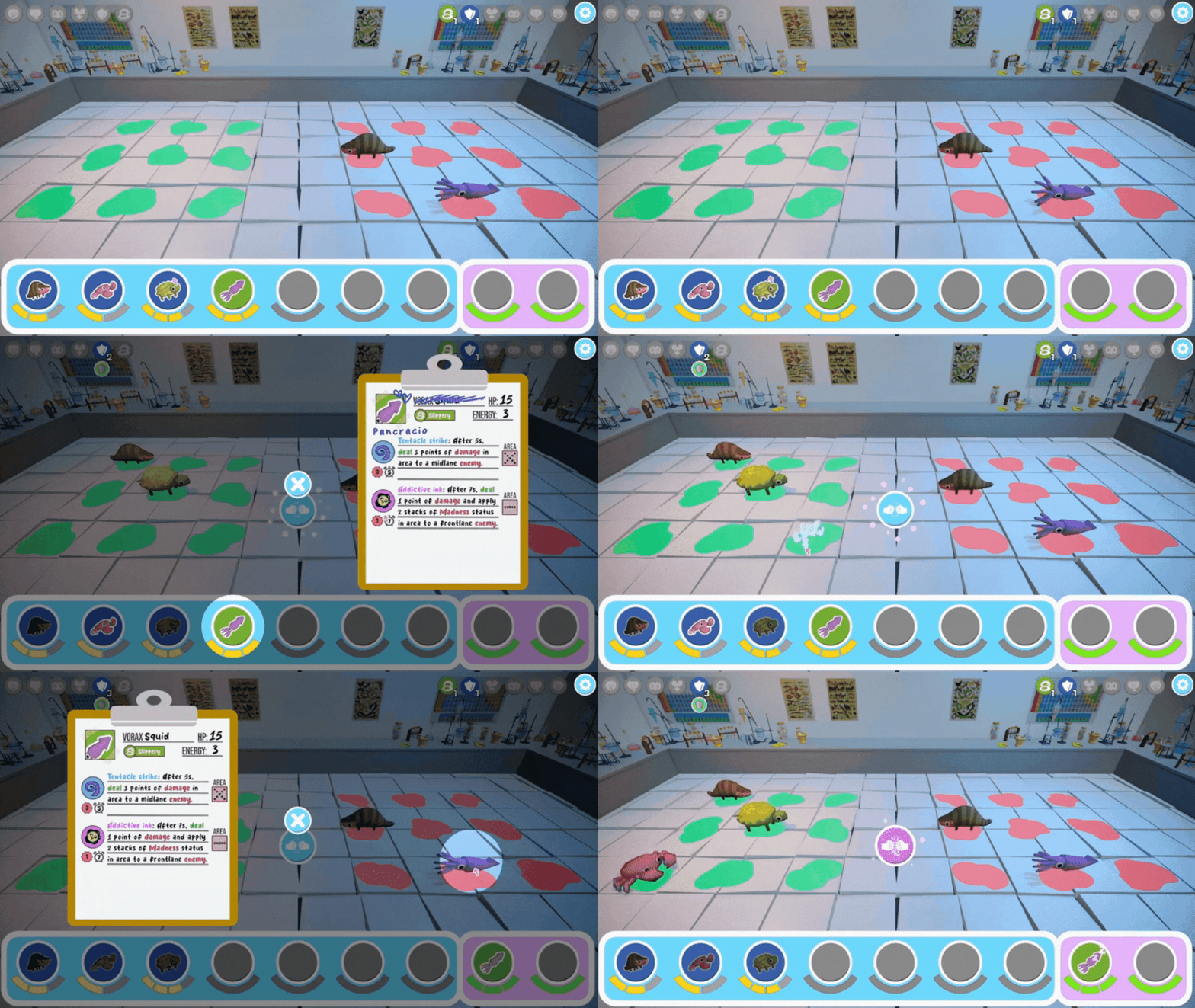
Vorax Breakout operates in three main phases per round:
- Preparation: Organize team, rest Vorax, place on combat grid.
- Combat: Automated resolution of abilities, damage, and status effects.
- Rewards: Choose new Vorax to add or replace in the team.
Technical Highlights
- Scalable, modular architecture with Scriptable Objects, separating data from behavior.
- Dynamic attack priority system: determines targets based on lane, HP, or randomness, fully supporting new abilities and Vorax types.
- Integrated, interactive tutorial for new players.
- Dynamic combat system managing multiple Vorax interactions and effects.
- UI/UX optimizations for clarity in a visually rich autobattler interface.
Reflection
Working on Vorax Breakout strengthened my skills in system architecture, data-driven design, and player onboarding.
It also showed how modular thinking and teamwork can transform a student prototype into a polished, expandable foundation.